Form abandonment is costing businesses potential revenue, with up to 79% of leads never converting and cart abandonment rates nearing 70%. Email remarketing can recover these lost leads with 50% open rates, 6%+ click rates, and 3–7.7% conversion rates. Tools like MagicTag take it further by saving user data in real-time, even if forms aren't submitted, helping businesses recover 12x more leads.
Key Takeaways:
- Email Remarketing: Cost-effective, personalized follow-ups using owned channels.
- Paid Retargeting Ads: Effective for anonymous visitors but requires ongoing spend.
- MagicTag: Real-time form data capture increases lead recovery and integrates with CRMs.
Combining email remarketing with MagicTag offers a powerful solution to recover leads efficiently, reduce costs, and boost conversions.
1. Email Remarketing
Lead Recovery Effectiveness
Email remarketing is a powerful way to re-engage visitors who interacted with your website but didn’t complete their journey - whether they browsed products, added items to their cart, or started filling out a form without hitting "submit". Reconnecting with these engaged users can significantly improve conversion rates.
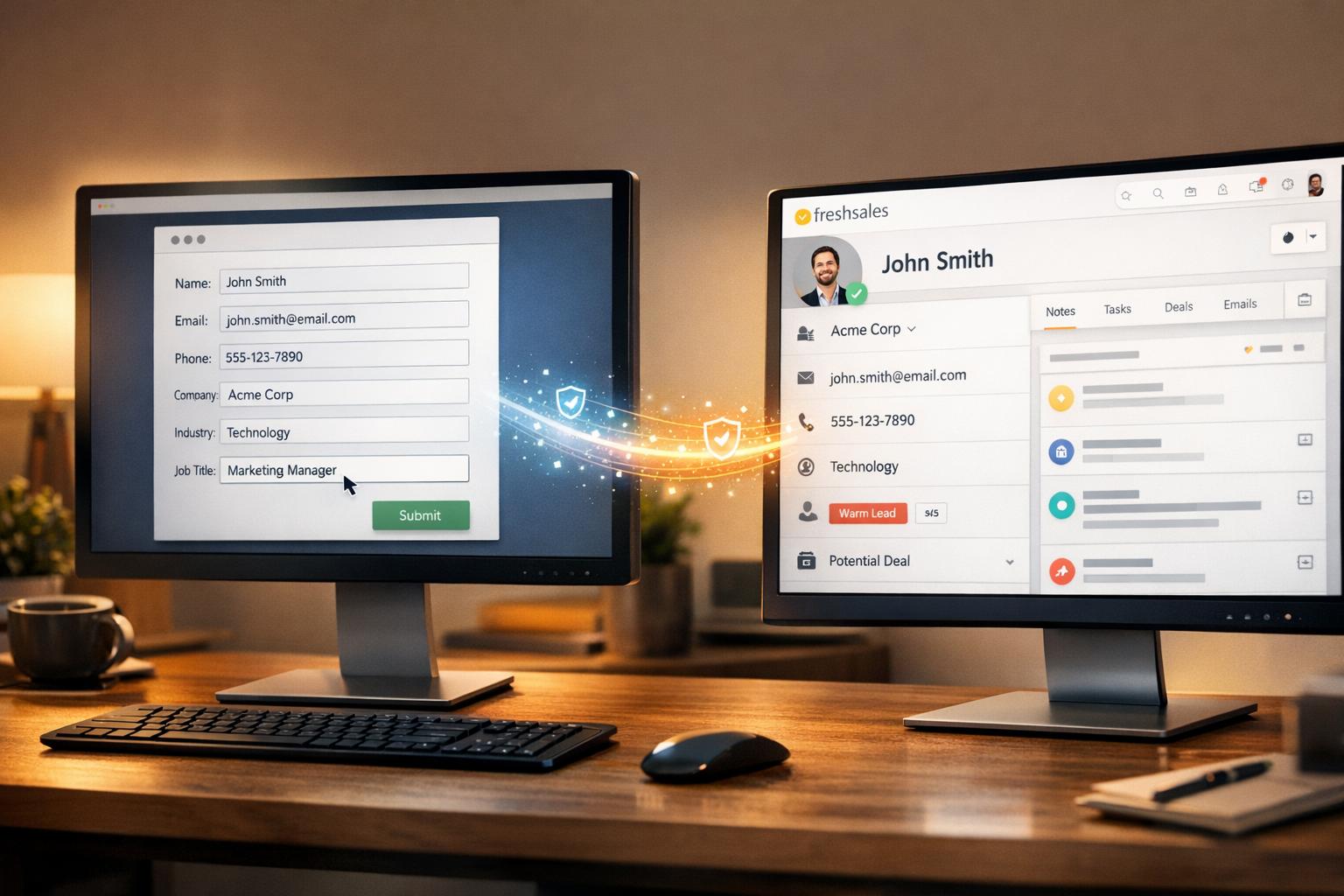
But here’s the catch: you can only send remarketing emails if you’ve captured the visitor’s email address. Traditional forms often fall short, as they only collect data upon submission, leaving many potential leads untapped. Tools like MagicTag can change the game by recording data in real time, even as users are typing, capturing up to 12 times more contacts.
Cost Efficiency
One of the biggest advantages of email remarketing is its cost-effectiveness. Unlike paid ads, which charge per click or impression, email remarketing uses an owned channel - your email list. Once you’ve captured someone’s email, you can reach out to them repeatedly at a minimal cost. And since these individuals have already expressed interest in your product or service, they’re far more likely to convert compared to brand-new leads.
Automation takes this strategy to the next level. You can set up triggered, personalized email sequences - like reminders for abandoned carts or incomplete forms - that work around the clock without requiring constant attention. The success of these campaigns, however, depends on the size and quality of your email list.
Audience Reach
While efficiency and cost savings are important, the true impact of email remarketing lies in its audience reach. The more effectively you capture contact information, the larger your remarketing pool becomes. Relying solely on completed form submissions means missing out on a massive chunk of potential leads.
Segmentation is the key to unlocking the full potential of your audience. By grouping leads based on their engagement history and behavior, you can tailor your messages to match their specific needs. For instance, someone who abandoned a pricing inquiry form might need a different follow-up than someone who left during a demo request. Personalizing your emails in this way not only makes them more relevant but also boosts engagement and conversion rates.
2. Paid Retargeting Ads
Lead Recovery Effectiveness
Paid retargeting ads use tracking technology to display targeted ads across platforms like Google, Meta, and LinkedIn. The standout benefit? Reach. Even if someone abandons a form without providing their email, retargeting ads can still bring them back into the fold. This makes them especially valuable for reconnecting with anonymous visitors who left before sharing contact details.
Here’s the kicker: retargeted visitors are 70% more likely to convert compared to non-retargeted traffic. Plus, the click-through rates (CTR) for retargeting ads are about 10 times higher than standard display ads - 0.77% vs. 0.05%. For example, LinkedIn retargeting campaigns can boost CTR by roughly 30% and reduce the cost per conversion by about 14%. These ads ensure your brand stays top of mind, showing up across different platforms until prospects are ready to act.
Cost Efficiency
Financially speaking, retargeting ads outperform many other digital advertising channels, slashing cost per lead by approximately 50% compared to standard display ads. That said, they come with a catch: you’re paying for every click or impression. And with rising competition and privacy updates impacting targeting accuracy, costs are climbing.
The biggest challenge? Retargeting ads can quickly eat up your marketing budget if they’re your sole strategy. Unlike email remarketing, which leverages an owned channel with minimal ongoing costs, retargeting demands continuous spending to stay visible. To avoid ad fatigue, limit impressions to 3–5 per user per week, but remember - you’re paying for each of those touchpoints.
Audience Reach
One of the strongest advantages of paid retargeting is its ability to reach beyond your contact list. It’s particularly effective at targeting anonymous visitors, making it an excellent complement to email remarketing. This is especially useful for building brand awareness and creating top-of-funnel engagement. However, relying on third-party platforms means you’ll have less control over targeting precision and costs compared to owned channels.
To maximize impact, focus on high-intent segments rather than casting a wide net for all site visitors. Retargeting ads are a great way to increase visibility and work hand-in-hand with email remarketing, ensuring you capture both known and anonymous leads. Together, these strategies help you cover all your bases when it comes to engaging high-intent audiences.
3. MagicTag (Real-Time Form Data Capture)

Lead Recovery Effectiveness
MagicTag takes the frustration out of losing potential leads by capturing user data in real time - even if they don’t hit “submit.” As visitors fill out a contact form, pricing calculator, or checkout page, MagicTag records their name, email, and phone number as they type. If they abandon the form halfway through, their information is still saved, turning anonymous visitors into identifiable prospects. This approach can supercharge email remarketing efforts. Websites using MagicTag report capturing up to 12x more leads compared to traditional forms. Plus, CRM enrichment strategies that uncover previously unknown site visitors can expand remarketing reach by 10x. Bottom line? More leads mean lower acquisition costs and a stronger ROI.
Cost Efficiency
MagicTag offers an affordable way to boost lead generation. It’s free for up to 1,000 users per month, with paid plans starting at just $19/month for up to 10,000 users. Once you’ve captured these leads, you can launch cost-effective email remarketing campaigns. Companies with structured lead nurturing programs see 50% more sales-ready leads while slashing their cost per lead by 33%. And here’s the kicker: automated nurture emails can deliver 320% more revenue than manually crafted campaigns. With direct CRM integration through webhooks or APIs, MagicTag ensures your workflows activate instantly, cutting operational costs and maximizing lead recovery potential.
Audience Reach
MagicTag doesn’t just save leads - it helps grow your remarketing audience. By converting form abandoners into known contacts, it ensures no warm lead is left behind. The platform syncs seamlessly with your CRM or email service provider, enabling instant segmentation and personalized follow-ups. This means you’re not just collecting data; you’re building a high-quality email list of prospects who’ve already expressed interest in your business. MagicTag works on any website, doesn’t require a developer for setup, and complies with GDPR and LGPD regulations. It’s a hassle-free way to expand your pool of qualified leads while staying compliant and in control.
sbb-itb-77d5bc3
My $100M Abandoned Cart Recovery System (Shopify and Klaviyo Email Marketing)

Advantages and Disadvantages

Email Remarketing vs Paid Retargeting vs MagicTag Lead Recovery Comparison
Let’s break down the key benefits and challenges of each lead recovery method for a clearer perspective.
Each approach comes with its own set of strengths and limitations. Email remarketing stands out for its ability to deliver personalized, cost-effective follow-ups that rebuild trust. However, overly aggressive tactics can lead to unsubscribes, while image-heavy designs risk being flagged as spam. On the flip side, text-heavy emails may overwhelm recipients, reducing their effectiveness.
Retargeting ads, while excellent for boosting visibility and conversions, can run into challenges like rising costs due to stricter privacy regulations. Overexposure, such as showing ads more than 15 times a week, can lead to ad fatigue and even harm brand perception. Additionally, if not done thoughtfully, retargeting can feel invasive or "creepy" to users.
MagicTag, on the other hand, offers a proactive solution. It captures user data in real-time as visitors type, even if they abandon the form. This approach ensures you don’t lose leads before they’re fully formed. MagicTag integrates seamlessly with your CRM, allowing for instant follow-ups without relying on cookies or ad platforms. Plus, it’s GDPR and LGPD compliant, works on any website, and offers a free plan for up to 1,000 users per month. By maximizing data capture, MagicTag helps you create a larger pool of potential prospects.
| Method | Key Advantages | Key Disadvantages |
|---|---|---|
| Email Remarketing | Personalized, cost-effective, strong conversion rates, recovery emails with 50% open rates | Risk of spam filters, overwhelming messages, unsubscribes from aggressive tactics |
| Paid Retargeting Ads | Higher conversion rates, 10x better CTR than standard display ads, boosts brand awareness | Rising costs, ad fatigue from overexposure, can feel invasive, dependent on third-party cookies |
| MagicTag | Captures 12x more leads, real-time data collection, CRM integration, GDPR/LGPD compliant, free for up to 1,000 users/month | Challenges like user distractions and relevance still apply to captured data |
Conclusion
Combining email remarketing with MagicTag offers a smarter way to recover leads while keeping costs in check. Unlike paid retargeting ads, which can quickly become expensive and depend on third-party platforms, email remarketing uses your own channels to connect directly with prospects - no constant ad spend required.
Here’s the standout difference: Traditional lead recovery relies on submitted forms, but MagicTag captures contact details as users type - resulting in a 25–45% increase in leads. These details flow straight into your CRM, enabling immediate, tailored follow-ups that often see open rates as high as 50.5%. This seamless integration speeds up segmentation and automation, helping you re-engage prospects while their interest is still fresh.
The bottom line? Without capturing leads early, there’s no chance to remarket later. By securing those leads upfront and following up with personalized emails, you not only build trust but also drive more conversions. For businesses focused on recovering leads efficiently, combining email remarketing with real-time form capture isn’t just smart - it’s necessary. This approach ensures more leads, stronger engagement, and lower costs per conversion, making it a natural evolution of the strategies discussed earlier.
FAQs
How does MagicTag identify leads without users submitting forms?
MagicTag works by gathering user data in real-time as they fill out form fields - even if they abandon the form before hitting "submit." This means businesses can reclaim potential leads that might have slipped through the cracks.
The tool safely captures essential details like names, emails, and phone numbers, all while adhering to privacy regulations. This ensures businesses can boost their remarketing efforts without compromising user trust.
Why is email remarketing more affordable and effective than paid ads?
Email remarketing stands out as a cost-effective strategy because it leverages data you already own - like email addresses from potential leads - rather than requiring constant investment in ad campaigns. By focusing on warm leads, or individuals who’ve already expressed interest, it provides a more precise and efficient way to re-engage users.
Unlike paid ads, which often demand a hefty budget to stay visible, email remarketing offers a higher ROI by targeting users who are more likely to take action. This method not only trims expenses but also boosts the likelihood of converting abandoned leads, especially when combined with tools that track real-time user behavior.
How does segmentation make email remarketing more effective?
Segmentation makes email remarketing far more effective by enabling businesses to deliver customized content to distinct groups based on their preferences, actions, or demographics. This precision not only grabs attention but also drives better open rates and increases conversions.
Take this for instance: reaching out to users who left forms or shopping carts incomplete with tailored offers can dramatically improve recovery rates. By zeroing in on what matters most to each segment, businesses can ensure their remarketing campaigns hit the mark and deliver results.