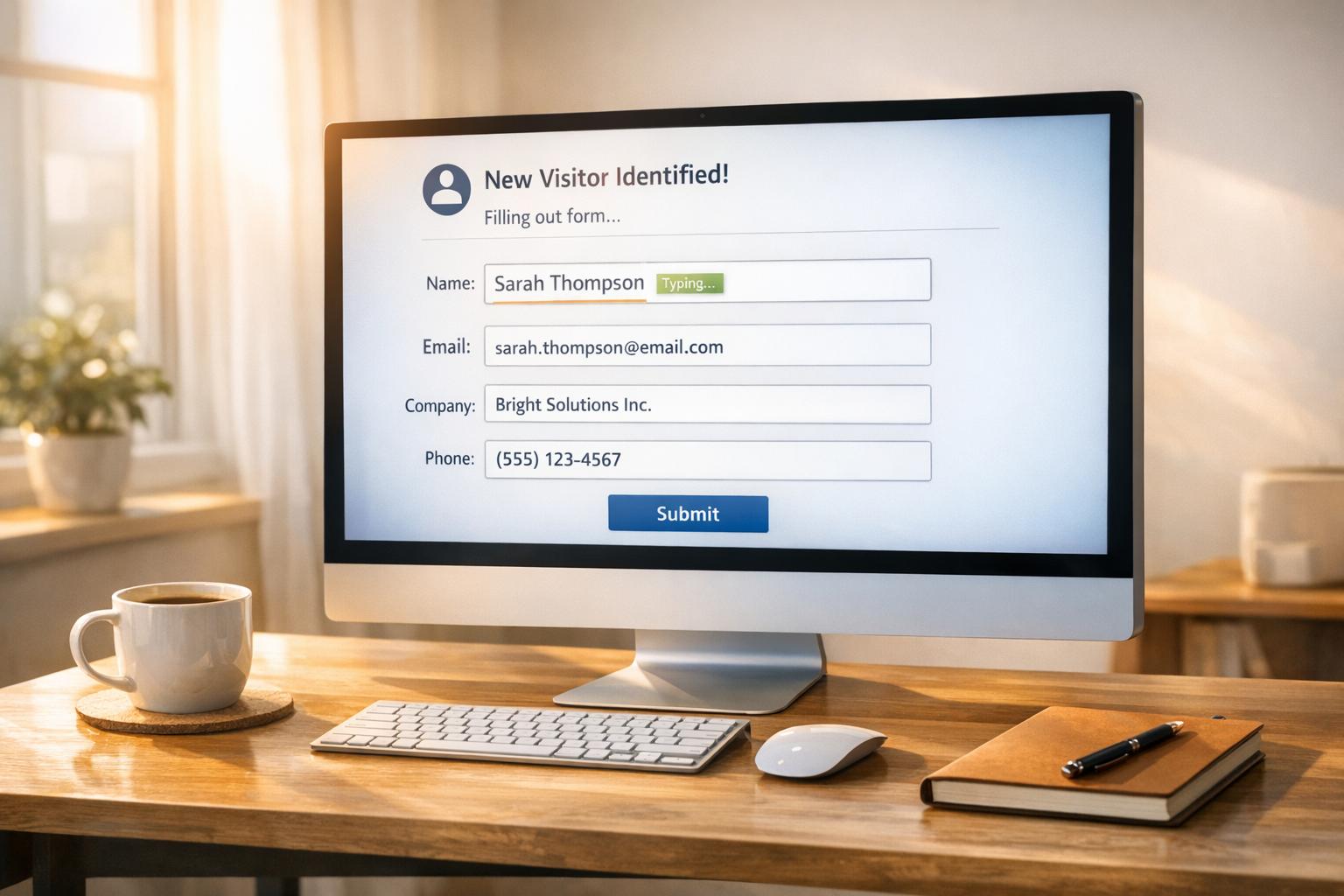
Real-time forms collect data as users type, but under GDPR, this data is considered personal and requires explicit consent before processing. Non-compliance can lead to fines up to €20 million or 4% of global revenue.
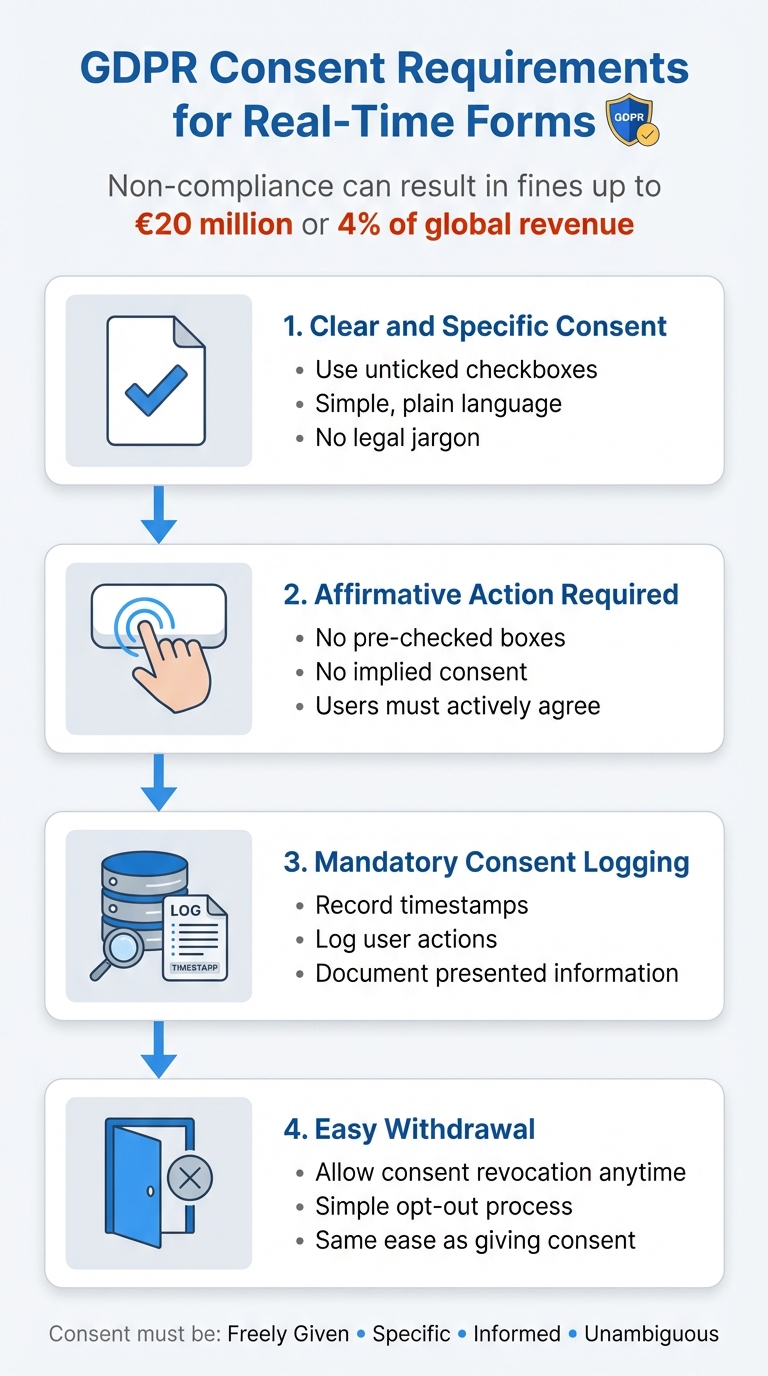
To comply with GDPR:
- Consent must be clear and specific: Use unticked checkboxes and simple language.
- Users must take affirmative action: No pre-checked boxes or implied consent.
- Consent logging is mandatory: Record timestamps, user actions, and presented information.
- Withdrawal must be easy: Allow users to revoke consent at any time.
Tools like MagicTag help ensure compliance by collecting data only after consent is provided, securely logging details, and integrating with CRMs. This approach minimizes risks and builds user trust.
4 Essential GDPR Consent Requirements for Real-Time Forms
Common GDPR Compliance Challenges with Real-Time Forms
Hidden or Implied Consent
One major issue businesses face is tracking user inputs without proper notification. This practice often assumes consent through inactivity, but under GDPR, silence, pre-ticked boxes, or inactivity do not qualify as valid consent. Another frequent mistake is failing to get explicit permission for each individual data processing activity. GDPR requires separate consent for every unique processing purpose. These oversights can lead to poorly designed consent interfaces that don’t meet legal standards.
Ineffective Consent Interfaces
Pre-ticked boxes are a common violation of GDPR's consent requirements. Consent isn’t considered “freely given” if users don’t have a real choice or face negative repercussions for refusing. Using pre-ticked boxes undermines this principle. Similarly, consent notices filled with unclear language or dense legal jargon make it impossible for users to give truly informed consent. Another issue is combining consent for data processing with other terms and conditions, especially when the data isn’t essential for the service being offered. This practice can invalidate the consent altogether. Poorly designed interfaces only make the need for effective consent logging more urgent.
Insufficient Consent Logging and Proof
When it comes to real-time data collection, accurate logging is non-negotiable. According to Article 7 of the GDPR, “Where processing is based on consent, the controller shall be able to demonstrate that the data subject has consented to processing of his or her personal data”. Many organizations struggle to document when and how consent was obtained during real-time interactions. Without clear evidence - like what users consented to, when they agreed, and how that consent was collected - even a compliant consent banner could fail under regulatory scrutiny. Relying on manual record-keeping is inefficient and risky, especially when non-compliance can result in fines of up to €20 million or 4% of global annual revenue. Automated systems are a practical solution, offering the scalability to track consent details, including the specific context, purpose, and any limitations tied to the user’s agreement.
How to Design GDPR-Compliant Consent for Real-Time Forms
Clear and Specific Consent Notices
When crafting your consent notice, keep the language simple and straightforward - steer clear of legal jargon, technical terms, or convoluted phrases like double negatives. The notice must clearly state who you are as an organization and name any third-party controllers relying on the consent. Be transparent about why you're collecting personal data, how it will be used, and for what specific purposes.
Make sure these notices are placed right next to the forms they relate to. Each purpose for data collection should have its own separate consent option - grouping all purposes under one blanket agreement is not allowed.
This clear and accessible approach sets the stage for active and informed user participation, which is explored in the next section.
Explicit and Affirmative User Actions
GDPR requires that consent be freely given, specific, informed, and unambiguous. To meet this standard, use unticked checkboxes or similar tools that require users to take a clear, deliberate action to agree. For mailing lists, implement a double opt-in process to ensure clarity and confirmation. Position consent requests prominently, avoiding burying them in lengthy terms and conditions. Additionally, users should have the option to withdraw their consent just as easily as they gave it - commonly via an unsubscribe link in the footer of every email.
Keeping a record of these actions is essential, as detailed in the following section on consent logging.
Proper Consent Logging
Every consent action should be logged with a timestamp, capturing key details like who consented, when, how, and the information provided at the time.
Configure your real-time forms to automatically timestamp each consent action and store this data in your CRM or database. For double opt-in processes, retain both the confirmation token and timestamp as proof. If a user withdraws their consent and no other legal basis exists for processing their data, ensure that the data is deleted.
Using MagicTag for GDPR-Compliant Real-Time Capture
Real-Time Consent Integration
MagicTag enables the capture of user data - like name, email, and phone number - as users type into form fields, even if they don't hit the submit button. However, this process only starts after users give explicit consent. The tool works seamlessly with your existing consent mechanisms, ensuring no personal data is collected until users actively agree. To meet GDPR guidelines, consent checkboxes should be unticked by default, clearly visible, and written in straightforward language. This approach ensures that all captured data complies with GDPR requirements, emphasizing a commitment to real-time compliance.
Once consent is granted, MagicTag efficiently transfers this verified data for further use.
CRM Integration via Webhooks and APIs
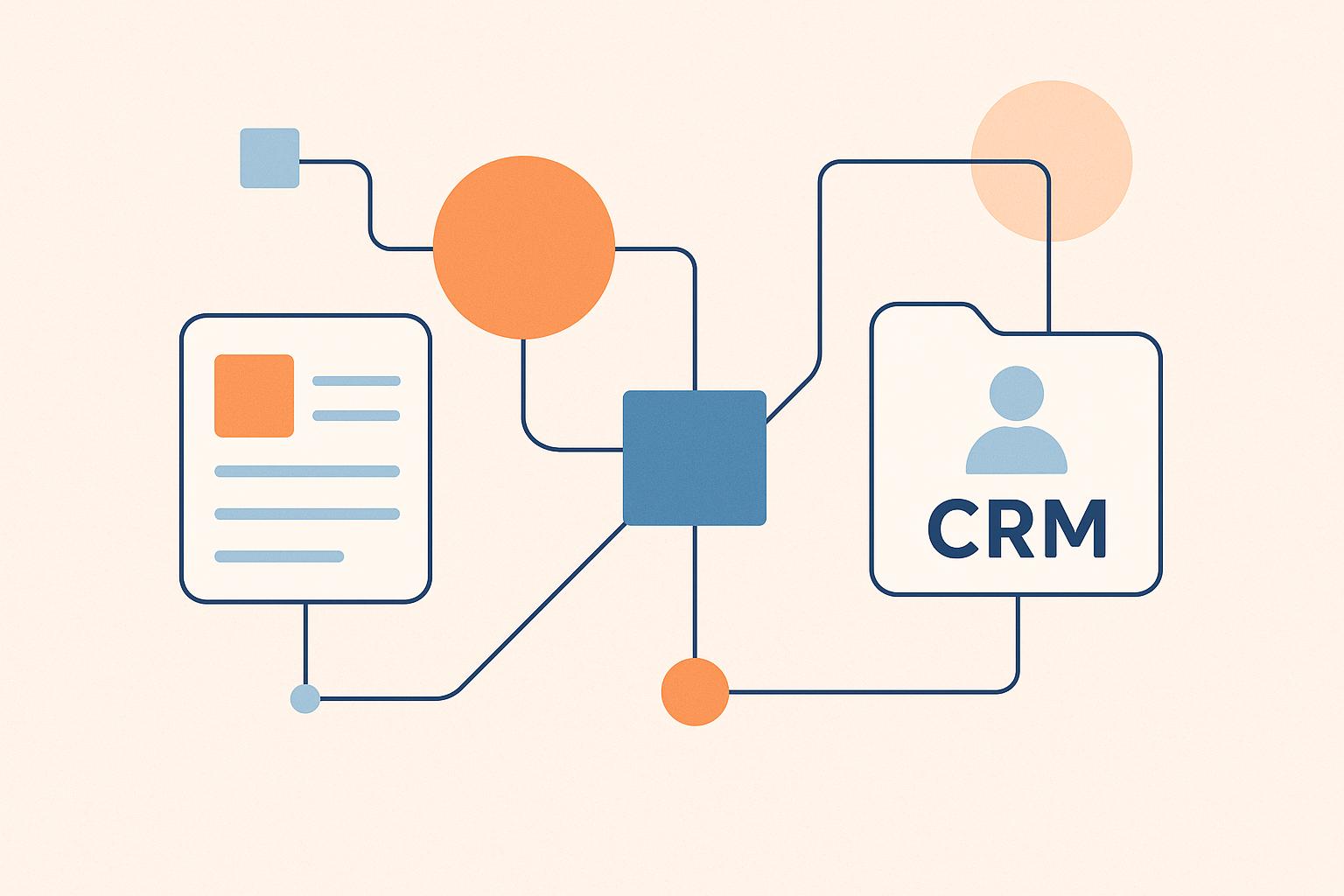
After obtaining user consent, MagicTag securely transfers the data to your CRM using webhooks or APIs. These transfers are protected by HTTPS and secure authentication protocols. Each data field - such as name, email, phone number, and consent status - is automatically mapped to ensure your CRM receives accurate and compliant records. By adhering to the principle of least privilege, MagicTag only accesses the minimal data necessary to maintain GDPR-compliant records.
In addition to secure data handling, MagicTag includes features designed to uphold GDPR standards.
GDPR Compliance Features
MagicTag is designed to meet both GDPR and LGPD requirements. It keeps detailed logs of user consent, including timestamps, the method of consent, and the exact information presented at the time. This ensures a complete, auditable trail that can demonstrate compliance if questioned by regulators or users. Furthermore, when a user withdraws consent, MagicTag updates your CRM immediately to halt any further processing of their data.
MagicTag also offers pricing plans suited to businesses of all sizes. The free plan supports up to 1,000 users per month, while paid plans begin at $19 for up to 10,000 users. Every plan includes essential compliance tools, such as a real-time dashboard, webhook integration, and the ability to capture and transfer consent status alongside user data. This makes MagicTag an affordable and practical solution for businesses aiming to implement GDPR-compliant real-time data capture.
sbb-itb-77d5bc3
Conclusion and Key Takeaways
GDPR Consent Rules Summary
When it comes to GDPR compliance for real-time forms, consent must meet a few critical criteria: it must be freely given, specific, informed, and unambiguous. This means users should have a real choice, be given clear and detailed information about how their data will be used, and have the ability to withdraw consent easily. Pre-checked boxes, silence, or inactivity are not valid forms of consent under these guidelines. Keeping thorough consent logs is also a must for compliance.
To highlight the importance of these rules, consider some notable fines. In 2019, French authorities fined Google €50 million for offering unclear consent information. Amazon faced a €746 million fine in 2021 for data processing violations, and WhatsApp was fined €225 million for failing to provide transparent details about how user data was handled. GDPR penalties can be severe, reaching up to €20 million or 4% of global annual turnover - whichever is higher. Staying compliant not only protects your business from these financial risks but also establishes a solid foundation for better customer engagement.
Benefits of Compliant Real-Time Data Capture
Sticking to GDPR rules does more than just keep you out of trouble - it can actually boost your business. A GDPR-compliant approach to real-time data capture safeguards your company from penalties while building trust with your users. When people see transparent consent processes that respect their choices, they’re more likely to share their information. This leads to stronger customer relationships, a better reputation for your brand, and fewer legal headaches.
Tools like MagicTag make achieving compliance easier. MagicTag ensures that data is captured only after consent is given, automates the logging of consent details, and securely integrates with your CRM. It’s a powerful tool, enabling businesses to capture up to 12 times more leads compared to traditional forms. MagicTag also logs consent details with timestamps and updates your CRM immediately if consent is withdrawn. With a free plan available for up to 1,000 users per month and paid plans starting at $19 per month, MagicTag is a practical solution for businesses of all sizes. Key features include consent status tracking, webhook integration, and a real-time dashboard to monitor your data collection practices.
Getting started with GDPR compliance: Consent
FAQs
How can I make sure my real-time forms comply with GDPR requirements?
To make sure your real-time forms comply with GDPR, start by using clear and straightforward language to explain what data you're collecting, why it's needed, and how it will be used. Consent must be specific, informed, and freely given - so skip the pre-checked boxes or hidden fields. Instead, use options like an unchecked box or an "I agree" button to ensure users take an active step. If you're asking for consent for multiple purposes, such as marketing or sharing data with third parties, let users choose separately for each. Always include a link to your full privacy policy for transparency.
When a user gives consent, make sure to log the event. Record details like the timestamp, the exact consent wording, and a user identifier. This not only helps you stay compliant but also makes it easier to process withdrawal requests, which GDPR requires you to honor. Keep any collected data secure - encryption is a good option - and only use it for the purposes the user agreed to.
For real-time data capture, tools like MagicTag can streamline the process. MagicTag collects typed information while still requiring users to check a GDPR-compliant consent box. It also tracks consent events, integrates seamlessly with CRMs, and simplifies opt-out or deletion requests. This way, you can stay GDPR-compliant while keeping your lead recovery process efficient.
How does MagicTag ensure GDPR-compliant consent for capturing real-time form data?
MagicTag is built to align with GDPR requirements, ensuring businesses secure user consent before gathering any real-time form data. The platform equips businesses with tools to clearly communicate their data collection practices, making it easy to obtain consent in a transparent manner.
It also keeps a detailed log of consent records, offering a reliable trail of user permissions. This allows businesses to handle data collection, storage, and processing with confidence, all while staying compliant with GDPR standards.
What happens if you don’t comply with GDPR consent rules for real-time forms?
Failing to meet GDPR consent requirements for real-time forms can have serious repercussions. Businesses risk hefty fines - like the $50 million penalty Google faced - along with strict regulatory measures. Beyond the financial hit, non-compliance can damage your reputation, leading to a loss of customer trust.
It doesn’t stop there. Without proper consent, the data you collect may be unusable, which can disrupt your marketing strategies and operational efficiency. Ensuring compliance isn’t just about avoiding penalties; it’s a way to show your dedication to protecting user privacy and handling data responsibly.